

Introduction
Esports has rapidly transformed from a niche gaming hobby into a global competitive industry that attracts millions of viewers and players worldwide. The latest esports tournaments are now comparable to traditional sports events in terms of production quality, audience engagement, and prize money. From League of Legends and Valorant to Dota 2 and CS2, competitive gaming has become a mainstream entertainment powerhouse.
In recent years, esports tournaments have expanded across continents, offering structured leagues, international championships, and seasonal events. These competitions not only showcase elite gaming skills but also create career opportunities for professional players, coaches, analysts, and content creators. As the industry grows, fans are increasingly searching for updates, schedules, formats, and team performances related to the latest esports tournaments.
Understanding how these tournaments work is essential for both beginners and intermediate esports enthusiasts. Whether you are watching for entertainment or planning to enter the competitive scene, knowing the structure, benefits, and strategies behind these events will give you a deeper appreciation of the gaming ecosystem. This guide explores everything about the latest esports tournaments, including their importance, formats, advantages, risks, and expert insights to help you stay informed and engaged.
What is Latest Esports Tournaments?
Latest esports tournaments refer to the most recent competitive gaming events organized globally across different video game titles. These tournaments bring together professional players, teams, and organizations to compete in structured matches for prize pools, rankings, and global recognition. Popular games like Valorant, League of Legends, Counter-Strike 2, Dota 2, PUBG Mobile, and Fortnite regularly host such events throughout the year.
These tournaments are typically organized in multiple stages, including qualifiers, group stages, playoffs, and grand finals. Each stage eliminates weaker teams and advances top performers toward championship titles. The latest esports tournaments often feature live streaming on platforms like YouTube and Twitch, allowing millions of fans to watch in real time.
In addition, esports tournaments are not limited to one region. They are global events with regional leagues leading into international championships. This structure ensures fair competition and allows emerging teams to prove themselves on bigger stages. With growing investments from sponsors and gaming companies, these tournaments continue to evolve in scale and professionalism.
Why is Latest Esports Tournaments Important?

The importance of latest esports tournaments goes far beyond entertainment. These events play a major role in shaping the modern gaming industry and digital sports culture. One of the biggest reasons is the economic impact. Esports tournaments generate millions of dollars through sponsorships, advertising, merchandise, and streaming rights.
Another important factor is career development. Many professional gamers start their journey by participating in small tournaments and gradually progress to international championships. These events provide exposure, recognition, and financial rewards for skilled players.
Esports tournaments also contribute to community building. They connect players and fans from different countries, creating a global gaming culture. This helps in sharing strategies, improving skills, and promoting healthy competition.
Moreover, the latest esports tournaments influence game development itself. Developers often adjust game balance, features, and updates based on competitive feedback. This ensures better gameplay experiences for both casual and professional players.
Detailed Step-by-Step Guide
How Esports Tournaments Are Organized
Esports tournaments follow a structured process that ensures fair competition and smooth execution. Organizers typically collaborate with game developers, sponsors, and streaming platforms to host large-scale events.
The process begins with planning, where tournament rules, formats, and prize pools are decided. After that, teams are invited or qualified through regional competitions.
Registration and Qualification Stage
Teams must register for tournaments either through direct invitations or open qualifiers. Open qualifiers allow new teams to compete against established players for a spot in the main event.
This stage is crucial because it determines which teams have the skill and consistency to compete at higher levels.
Group Stage and Elimination
Once qualified, teams are divided into groups. They compete in round-robin or double-elimination formats. Points are awarded based on match results, and top teams move forward.
This stage helps filter out weaker teams while maintaining competitive balance.
Playoffs and Finals
The final stage includes knockout rounds where only the best teams remain. Matches become more intense, and strategies become more advanced. The winners of these rounds reach the grand finals, where the championship title is decided.
Benefits of Latest Esports Tournaments
- Provides global exposure for players and teams
- Creates career opportunities in gaming and content creation
- Offers large prize pools and financial rewards
- Builds international gaming communities
- Encourages skill development and strategic thinking
- Supports game developers with competitive feedback
- Enhances entertainment through live streaming and events
Disadvantages / Risks
- High competition pressure can cause stress for players
- Irregular income for new or amateur players
- Risk of burnout due to long practice hours
- Dependence on sponsorships and external funding
- Possibility of online toxicity in gaming communities
- Travel and logistical challenges for international events
Common Mistakes to Avoid
One common mistake beginners make is ignoring team coordination. Esports is not just about individual skill; teamwork plays a major role in winning tournaments.
Another mistake is overtraining without proper rest. Many players believe constant practice leads to improvement, but it can actually reduce performance over time.
Players also often ignore game updates and patches. In competitive gaming, staying updated with meta changes is essential for success.
Lastly, many beginners fail to analyze their gameplay. Reviewing matches and learning from mistakes is crucial for long-term improvement.
FAQs
1. What are the most popular esports tournaments?
Some of the most popular esports tournaments include The International (Dota 2), League of Legends World Championship, Valorant Champions, and CS2 Majors. These events attract global audiences and massive prize pools.
2. How do players qualify for esports tournaments?
Players qualify through open qualifiers, regional leagues, or direct invitations from tournament organizers based on performance and rankings.
3. Can beginners join esports tournaments?
Yes, beginners can start by participating in amateur or online tournaments. These events help players gain experience before entering professional leagues.
4. What skills are needed for esports success?
Key skills include fast reaction time, strategic thinking, communication, teamwork, and deep knowledge of the game mechanics.
5. How much do esports players earn?
Earnings vary widely depending on skill level, tournament wins, sponsorships, and streaming income. Top players earn millions annually.
6. Are esports tournaments only online?
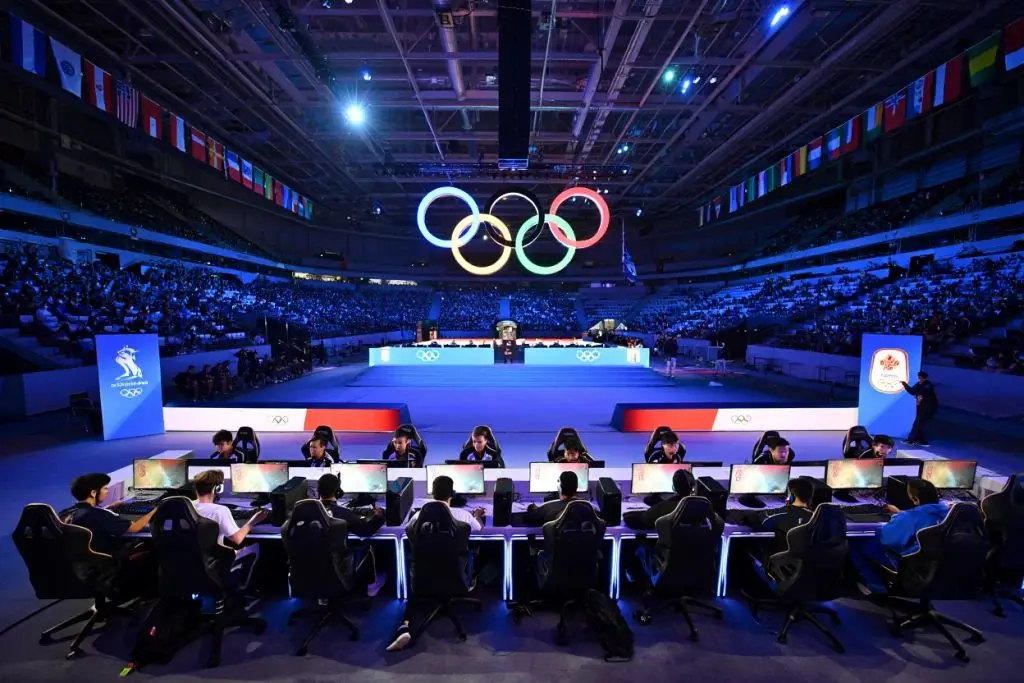
No, esports tournaments are both online and offline. Major international events are often held in large arenas with live audiences.
Expert Tips & Bonus Points
Professional players recommend focusing on consistency rather than aggressive gameplay. Staying calm under pressure is one of the most important traits in competitive gaming.
Another expert tip is to specialize in one or two games instead of switching frequently. Mastery of a specific game increases chances of success in tournaments.
Watching professional matches is also highly beneficial. It helps players understand strategies, positioning, and decision-making used by top teams.
Finally, maintaining physical and mental health is essential. Regular breaks, exercise, and balanced routines improve performance during competitions.
Conclusion
The world of latest esports tournaments continues to grow rapidly, becoming one of the most influential sectors in modern entertainment. From small regional competitions to massive global championships, esports has created a structured ecosystem that supports players, fans, and developers alike.
As the industry evolves, tournaments are becoming more professional, competitive, and rewarding. They offer opportunities not only for professional gamers but also for content creators, analysts, and gaming enthusiasts. Understanding how these tournaments work helps fans appreciate the depth and complexity behind each match.
For beginners and intermediate players, esports tournaments serve as a gateway to learning, improving skills, and potentially building a career in gaming. However, success requires dedication, strategy, and continuous learning.
With increasing investment and global recognition, the future of esports tournaments looks stronger than ever. Whether you are a player or a viewer, staying updated with the latest esports tournaments will keep you connected to one of the fastest-growing industries in the world.
